



You might want to know...
You might want to know...
Connecting Expertise, Creating the Future
Contact us to explore professional testing technologies and jointly develop efficient and reliable quality controlsolutions.
Industry News
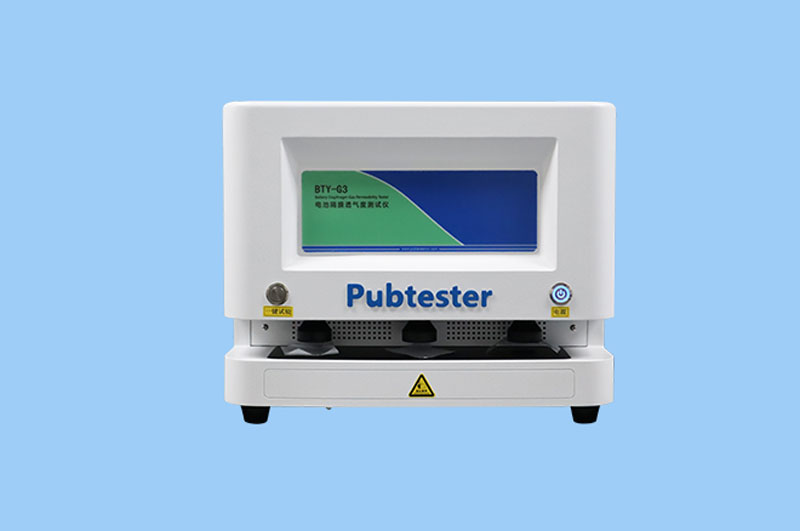
Buying Guide for Battery Separator Breathability Tester
Share:
The lithium battery separator is a key internal component that prevents short circuits between the positive and negative electrodes and allows lithium ions to pass through smoothly. Breathability (commonly referred to as the Gurley value) directly affects the battery's charge/discharge performance, cycle life, and safety. Therefore, selecting a high-precision, highly repeatable separator air permeability tester is crucial for quality control in separator production and battery manufacturing.
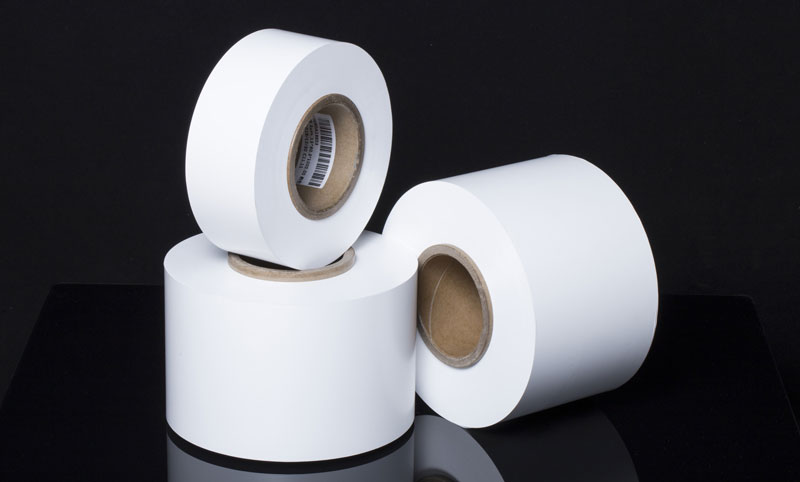
Principles and core methods of membrane permeability testing
The battery separator air permeability tester mainly uses the differential pressure method: under constant temperature, humidity, and atmospheric pressure, the sample is placed between the upper and lower test chambers and sealed, creating a constant pressure difference on both sides of the sample to measure the amount or time required for gas passing through the sample.
Among them, the Geerlai method is currently the most mainstream testing method in the lithium battery separator industry. Test results are expressed in units of "seconds/100ml," with lower values indicating better breathability.
When purchasing, pay special attention to the following technical indicators:
1. Test Scope
The instrument should cover the breathability range of the separator you produce or test. Common ranges include 30~30,000 s/100ml, 15~15,000 s/100ml, etc., with typical air permeability of power battery separators around 200~ 500 seconds per 100ml.
2. Pressure accuracy
The accuracy of pressure control directly affects the reliability of test results. Mainstream equipment typically has a pressure accuracy of ±0.01kPa, while high-end equipment can reach above 0.01kPa. The pressure range is generally 0~5kPa, with some models supporting customization of 0~20kPa.
3. Test area
The standard test area is 6.45cm² (1 square inch), complying with GB/T 36363, ISO 5636.5, and other standards. If testing non-standard samples, a model that supports custom test area should be chosen.
4. Number and efficiency of test chambers
Single-chamber equipment can only test one sample at a time, while three-chamber equipment can test three samples simultaneously. For batch quality control, independent three-chamber testing can greatly improve efficiency, with some models reducing the total three-chamber testing time to as little as one minute.
5. Repeatability and reproducibility
Because separators are mass-produced, the tester must have extremely high repeatability (minimal fluctuation in multiple measurements by the same device for the same sample) and reproducibility (consistent results for different operators or different times). This depends on the instrument's mechanical precision, airtightness, and stability of control logic.
It is recommended to ask suppliers to provide sample demonstration or experimental operation data before purchasing a battery separator air permeability tester, and to conduct on-site inspections of ease of operation and test repeatability. At the same time, confirm whether the manufacturer has a comprehensive after-sales service system (including installation and commissioning, operational training, regular calibration, and maintenance support), which is crucial for long-term stable use.
Take a look at our latest articles


Jun.03,2026
The domestic pet economy has grown rapidly for many consecutive years. Pet owners treat cats and dogs as family, and their safety requirements for pet food are comparable to those of human food.
Need support or have technical questions?
Pubtester’s testing instruments and packaging testing services help you lift efficiency and guarantee product quality. Tap the button to reach our experts and submit your inquiry today.


